Bluebird Completes First Static Fire of Cardinal 1

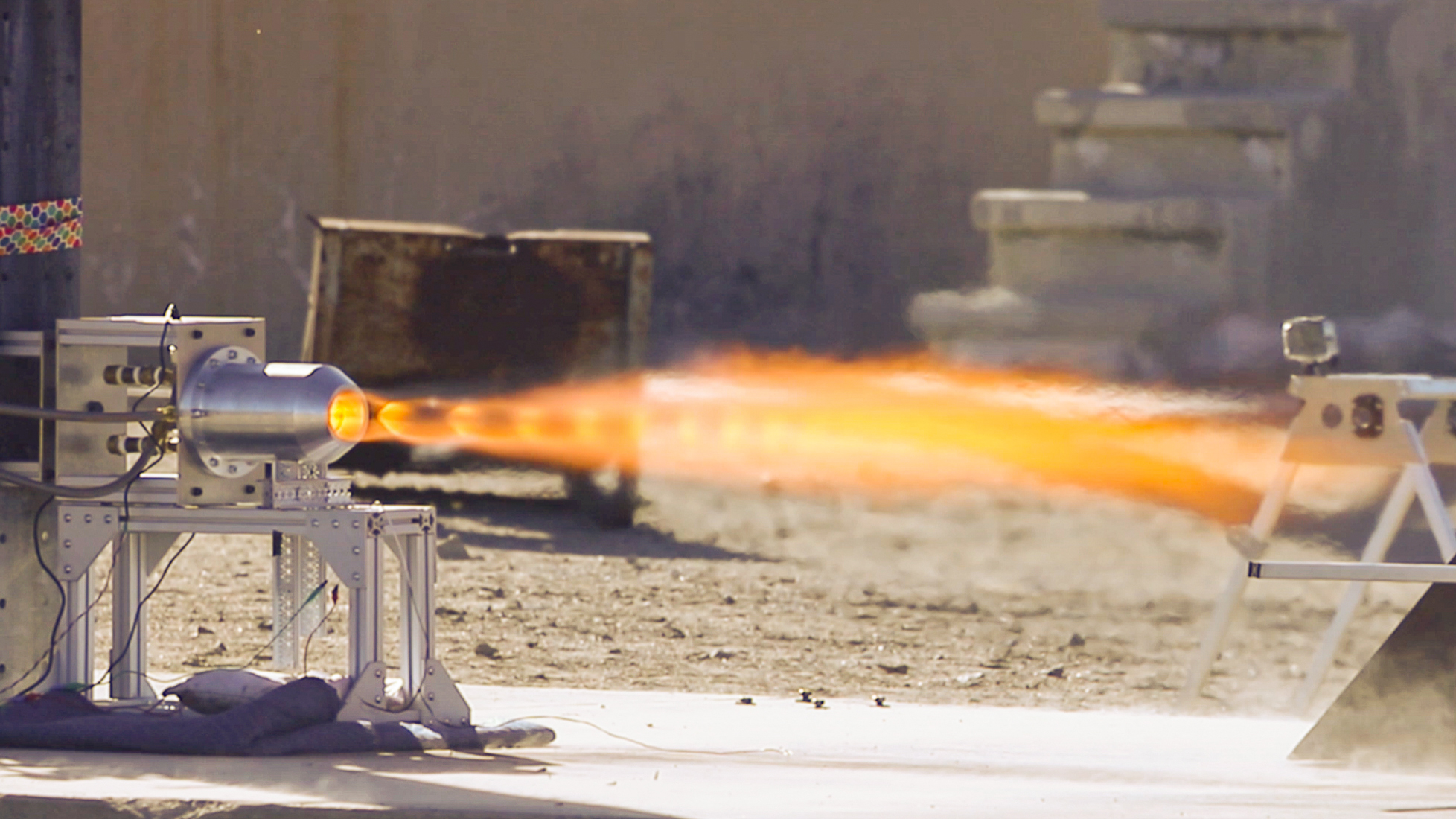
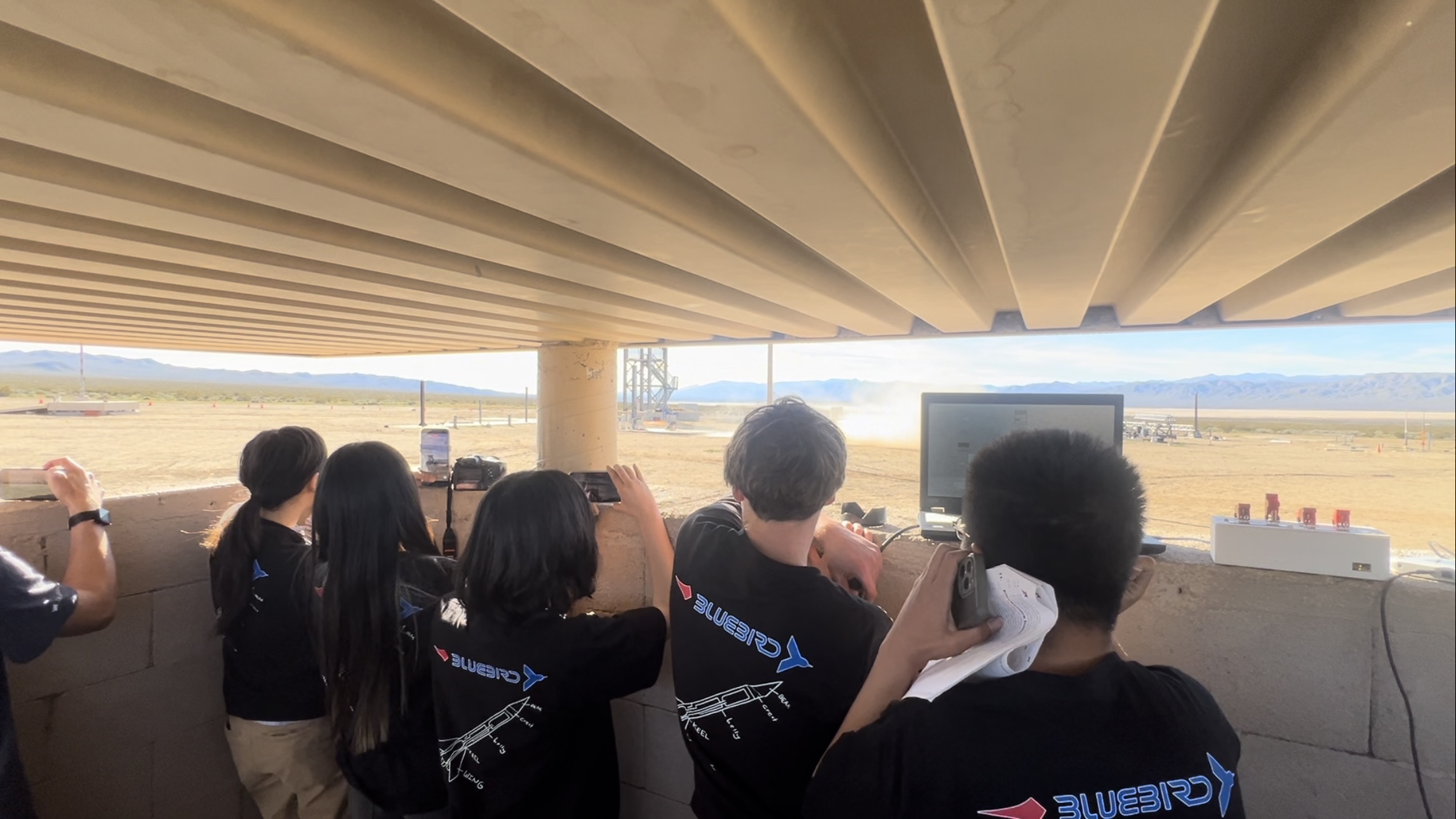
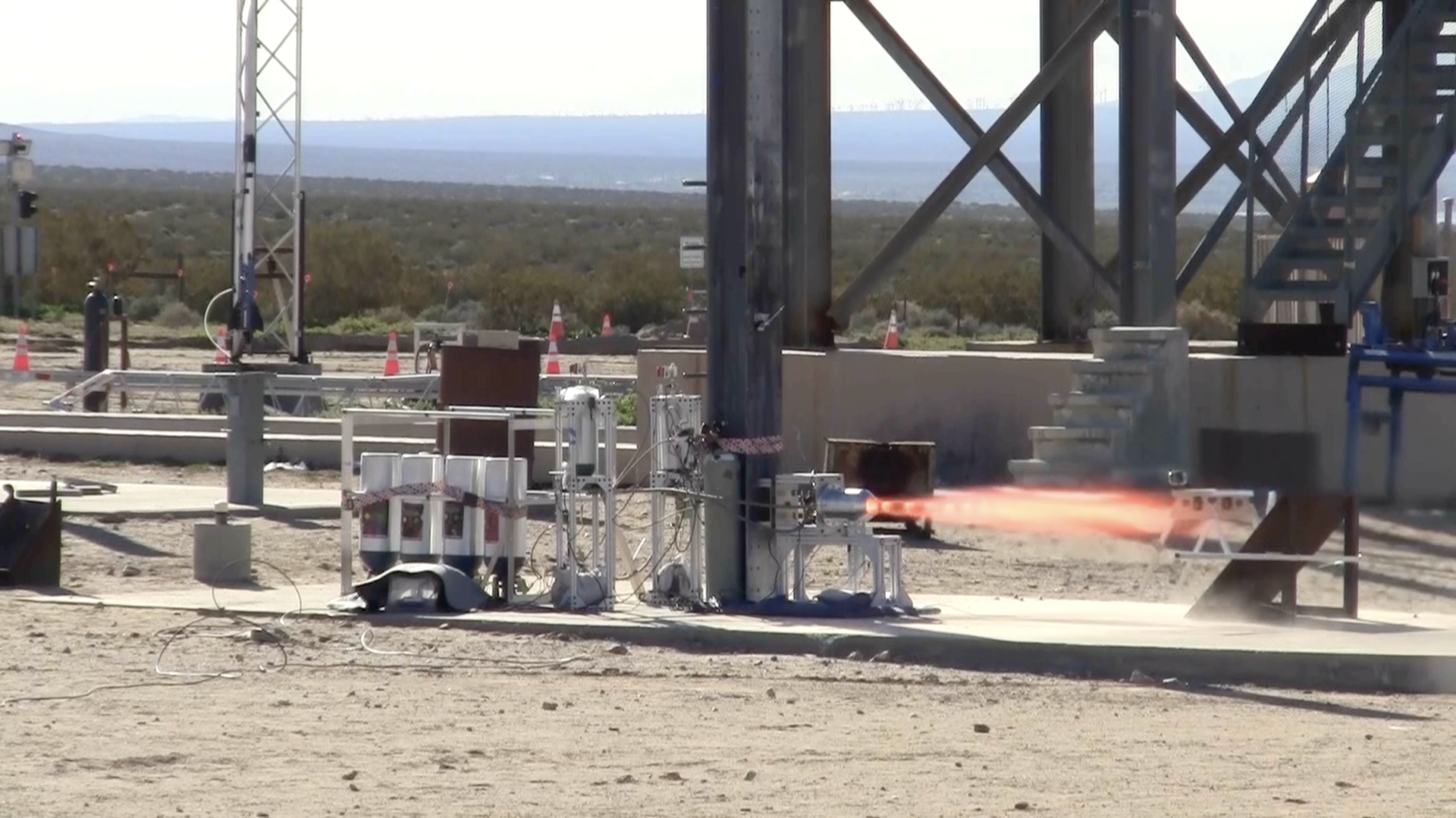
On January 17, 2026, Bluebird Aerospace completed our first, record-breaking hotfire with the Cardinal 1 engine at the Friends of Amateur Rocketry (FAR) test site!
 
Overall, the system performed well beyond our expectations during the static fire. Preliminary analysis indicates achieved thrust levels of 3.34 ± 0.4 kN (750.8 ± 89.9 lbf), and a chamber pressure of 15.5 ± 0.8 bars (224 ± 11.6 psi), exceeding our targets. We also came within 10% of our target nitrous oxide mass flow rate. Our data also suggests about 70% measured C* efficiency, well within the optimal range for flight, which was also a surprise to us. Note that the thrust figure given here was calculated based upon pressure data due to an unreliable load cell.
 
This makes Cardinal the most powerful engine to be built and fired by a high school team in the United States.
 
However, the ethanol side was pressurized to slightly more than expected, resulting in higher fuel mass flow rates and a lower than anticipated O/F ratio of about 1.8. This did not significantly affect performance. Despite the lower temperatures, we were able to verify the ablator performance using the available data.
 
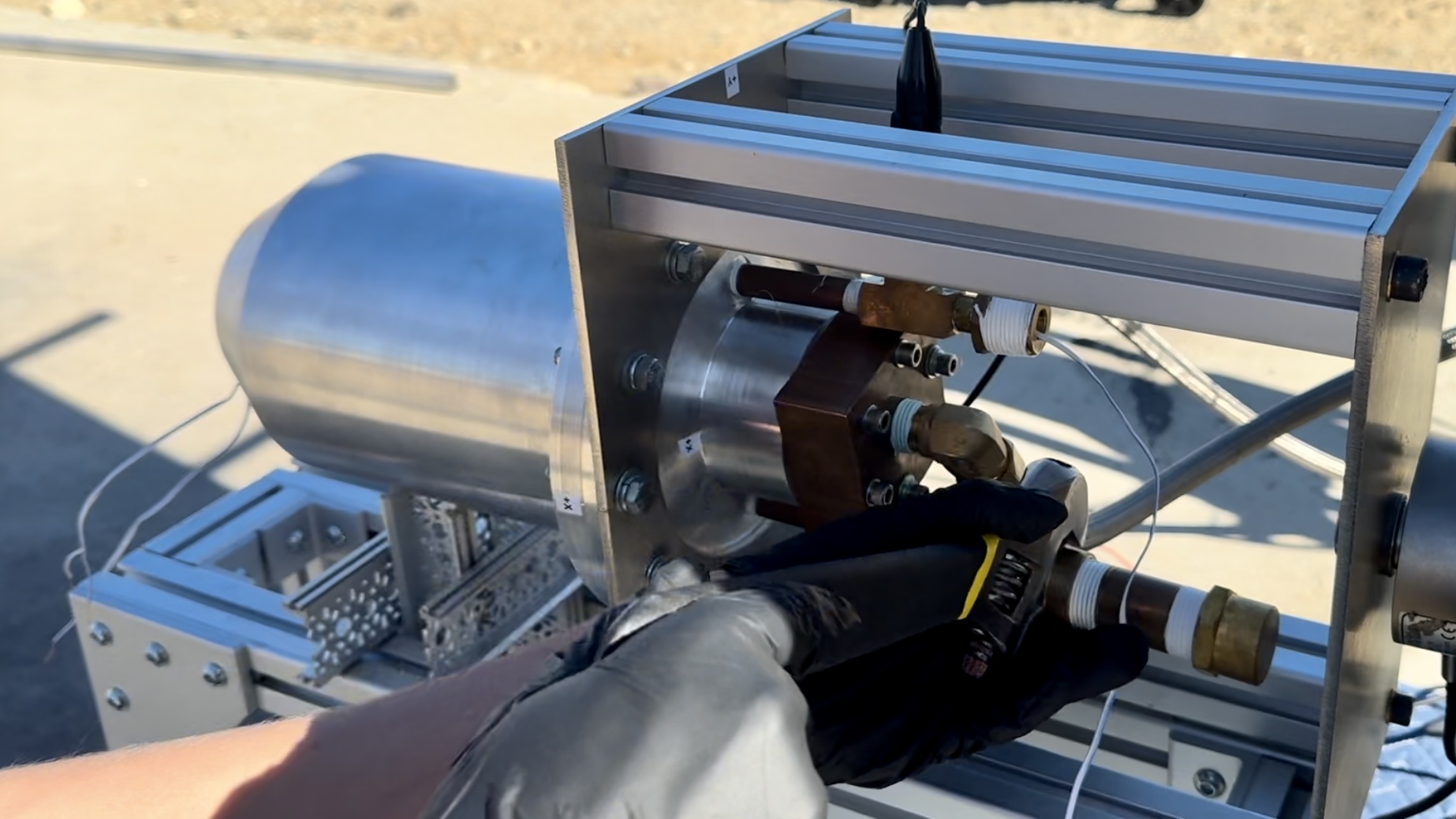
A post firing inspection revealed that all the hardware, including the engine, feed systems, tanks, structurals and electronics are all in excellent condition. There was limited regression on the ablator and minimal erosion on the copper throat insert. All systems are ready for the future.
 

This is only the beginning of Cardinal, and Bluebird as a whole! We are excited to continue this static fire campaign. In the upcoming months Cardinal 1 will be upgraded to unlock its full potential. This includes doubling the chamber pressure and expanding the capacity of the feed system to support higher mass flow rates. We will also be optimizing pressure sensor placement, load cell mounting and modifying our EMI shielding to acquire more reliable data. With these upgrades, we could target up to 7kN (1600 lbf) of thrust for the next static fire, potentially setting a world high school record. This process will give us further experience at even higher thrust levels, as we develop the next vehicles for flight on the way to space. 


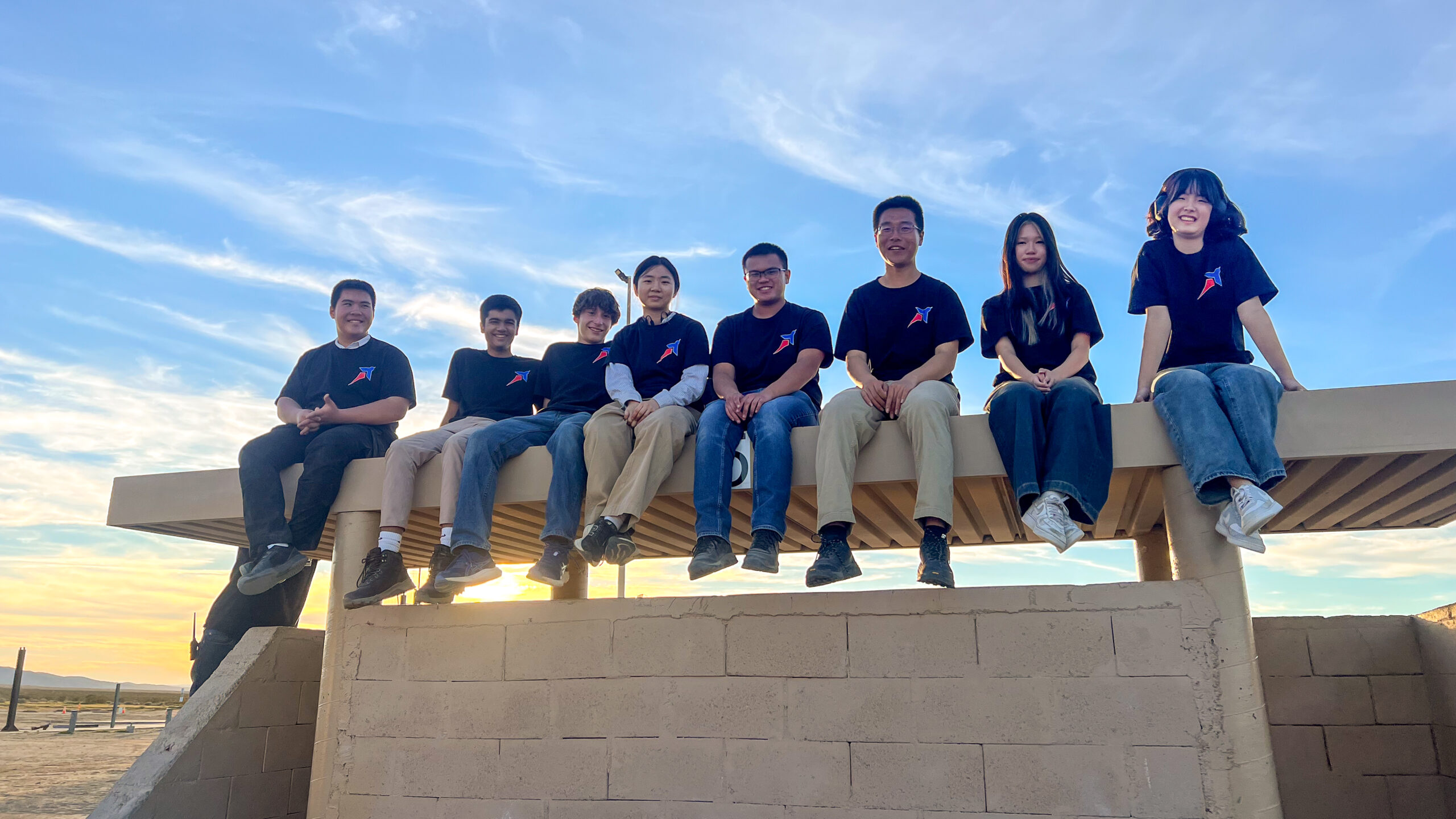
Congratulations to the entire Bluebird team! This was a truly phenomenal achievement.


Finally, we would like to express our sincere gratitude to everyone who have helped us along the way. Thank you to the faculty, community, and administration of the Webb Schools for your time, trust and support. Thank you to members of the USC Liquid Propulsion Lab, UMich’s MASA Rocket Team, Half Cat Rocketry, UF’s Florida Rocket Lab, the SDSU Rocket Project, and countless other college teams and industry professionals for your invaluable guidance. Thank you to UMakers, ANSYS and other organizations for your generosity. Your contributions make Bluebird possible. We hope to continue being a positive, inspirational force on our road to the stars.

logo small


Below is a replay of our static fire livestream. Relive the moment! 

Skip to 2:32:42 for ignition.